15 Insightful Tips: How to Improve ESP Performance in industry

How to improve ESP performance: Electrostatic Precipitators (ESPs) are critical components in industry, designed to control emissions by capturing particulate matter (PM) from flue gases. With increasing environmental regulations and the need for cleaner operations, optimizing ESP performance has become essential. Below are key strategies to enhance the efficiency, reliability, and longevity of ESP systems used in power and process industries.

1. Optimize Combustion Conditions

Achieving complete combustion by fine-tuning the air-to-fuel ratio helps reduce unburned carbon and soot, leading to lower particulate emissions. Stable combustion conditions directly contribute to improved ESP input quality, enhancing particle capture efficiency.

2. Use of Fuel Additives

Dosing the fuel with additives improves combustion efficiency and minimizes the generation of fly ash and unburned particles. Certain additives also reduce the resistivity of ash, which enhances the ESP’s ability to collect fine particulates.

3. Increase the Number of ESP Fields

Expanding the number of electrical fields in the ESP increases the collection surface area and the residence time of flue gas within the unit. This enhances particle charging and capture rates, especially during high-load operations.

4. Adopt Parallel ESP Configurations

Installing multiple ESP units in parallel allows for load sharing and easier maintenance scheduling. This configuration ensures consistent performance, particularly during peak loads, by avoiding complete shutdowns for maintenance.

5. Improve Ash Conveying and Handling Systems

Efficient and uninterrupted ash removal systems are essential. Upgrading pneumatic or mechanical ash conveyors minimizes dust re-entrainment and helps maintain optimum ESP operation by preventing ash buildup.

6. Implement Preventive Maintenance Practices

Routine inspections and timely cleaning of electrodes, hoppers, and discharge systems ensure continuous and reliable ESP performance. Maintenance schedules should include checks for electrical components, rapping mechanisms, and gas distribution screens.

7. Aqueous Ammonia Dosing

Injecting aqueous ammonia can serve dual purposes—reducing NOₓ emissions via selective non-catalytic reduction (SNCR) and enhancing ESP performance by modifying particulate properties, thereby increasing collection efficiency.

8. Prevent Air Ingress

Sealing all ESP casings and ducts effectively prevents ambient air ingress, which can cool the flue gas and alter its velocity and resistivity. This helps maintain optimal particle charging and collection.

9. Maintain Inlet Temperature Below Design Limits

Flue gas temperatures must be monitored and controlled to remain below ESP design specifications. Excessively high temperatures reduce the charging efficiency of particles, thereby lowering collection efficiency.

10. Upgrade ESP Control Systems

Modern digital ESP control systems with real-time monitoring and analytics improve responsiveness to load changes, spark occurrences, and voltage/current fluctuations, optimizing ESP performance continuously.

11. Improve Gas Flow Distribution

Uniform gas flow ensures even particle loading across the ESP cross-section. Installing flow distributors and straightening vanes can reduce turbulence and enhance collection uniformity.

How to Calculate Battery Size and Inverter

Exide Battery
Luminous Inverter

12. Optimize ESP Power Supply Settings

Proper tuning of voltage and current settings is crucial. A well-maintained power supply system helps maintain a strong and stable electric field, ensuring effective particulate charging.

13. Retrofit with High-Efficiency ESP Collectors

Where applicable, retrofit existing ESPs with advanced collector designs featuring enhanced electrode geometries and optimized field layouts to achieve higher collection efficiencies.

14. Conduct Regular ESP Performance Audits

Scheduled performance audits and emissions testing help identify inefficiencies and ensure compliance with environmental regulations. Data from these audits can inform maintenance and upgrade plans.

✔ The Journey of Belavita Founder Akash Anand

✔ Deepinder Goyal: The Man Behind Zomato

15. Train Operations and Maintenance Teams

Continuous training and awareness programs for plant personnel are vital. Well-informed teams are more adept at identifying issues early and executing best practices in ESP operation and maintenance.

Conclusion

Improving ESP performance is a multi-faceted task involving mechanical upgrades, operational optimization, and disciplined maintenance. Implementing these strategies not only ensures regulatory compliance but also contributes to improved boiler efficiency and reduced operational costs.

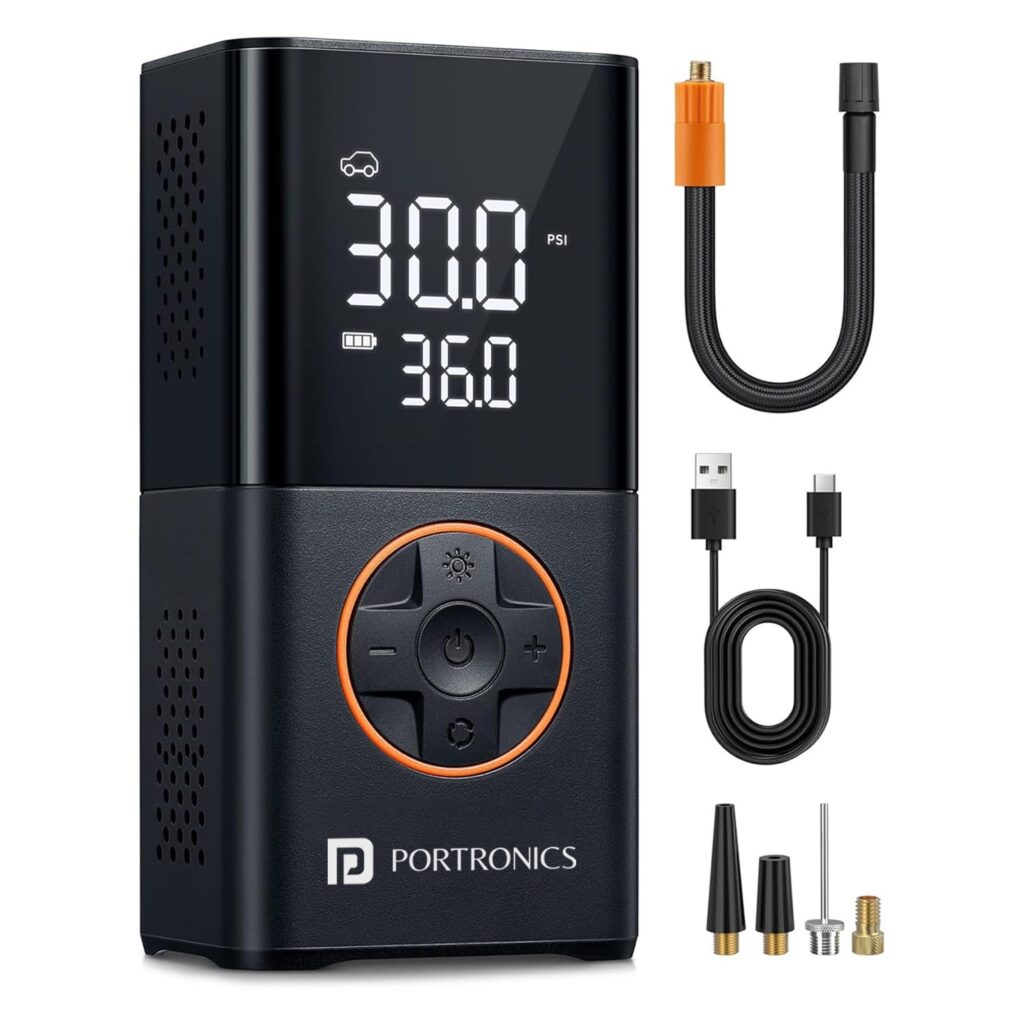
Portronics tyre Inflator, Air Pump Compressor for Cars, Bikes, Bicycles & Balls

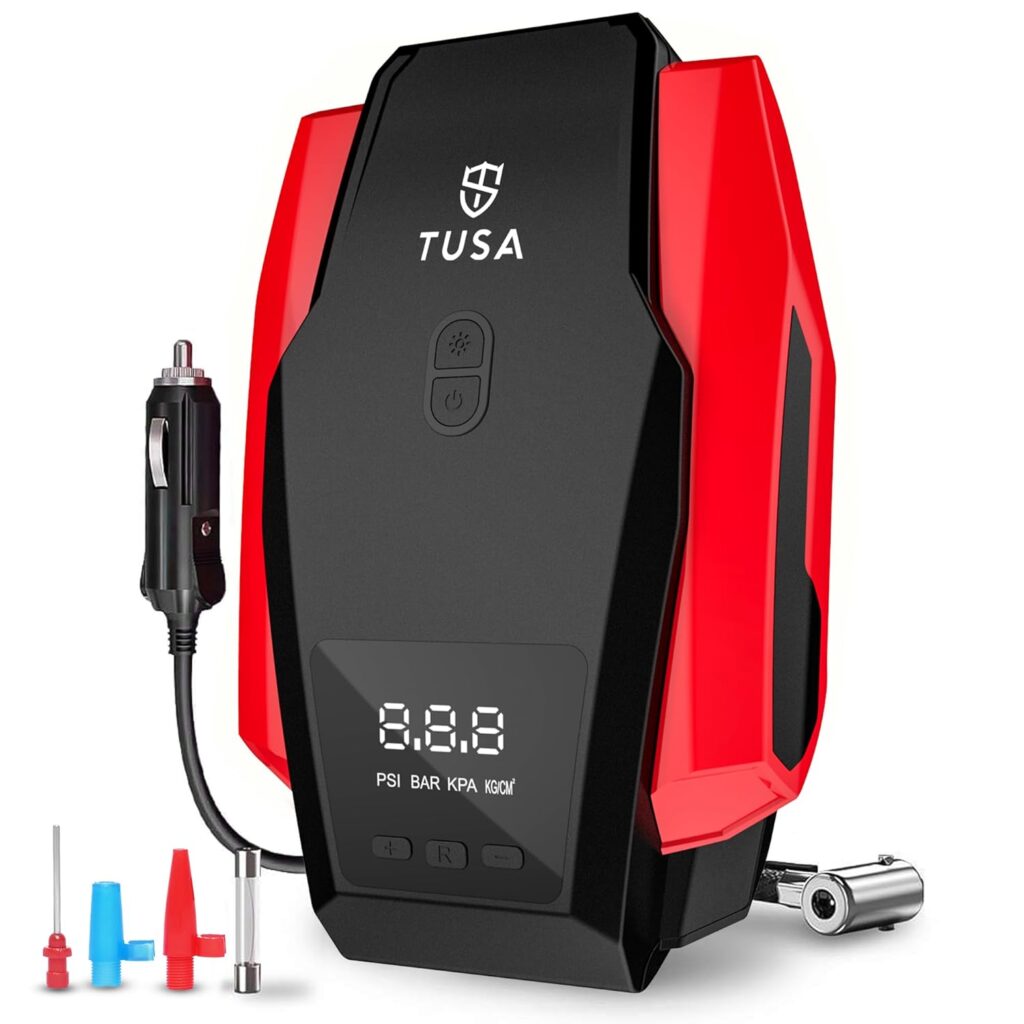
TUSA Tyre Inflator for Car - 150 PSI, 12V DC Portable Air Compressor with Digital Tire Pressure Gauge & LED Light

This blog is more than just a collection of technical articles—it’s a platform where practical insights meet real-world applications. Whether you’re looking for in-depth electrical engineering concepts, startup ideas, or the latest industry trends, you’ll find valuable resources to support your career and business aspirations.

Leave a Comment